Every spring, many of us feel the urge to refresh our homes. New colors, new layouts, maybe even new furniture. But before clicking “Add to Cart” on a cheap dresser or bookshelf, it’s worth taking a closer look at the environmental and financial cost of fast furniture and why buying used furniture is an affordable way make a more sustainable choice.
What is fast furniture?
Fast furniture is made quickly, sold cheaply, and often built from low quality materials like particleboard, laminates, and synthetic fabrics. Typically, these items are designed to last only 5–10 years (or less) before they break, sag, or simply go out of style.
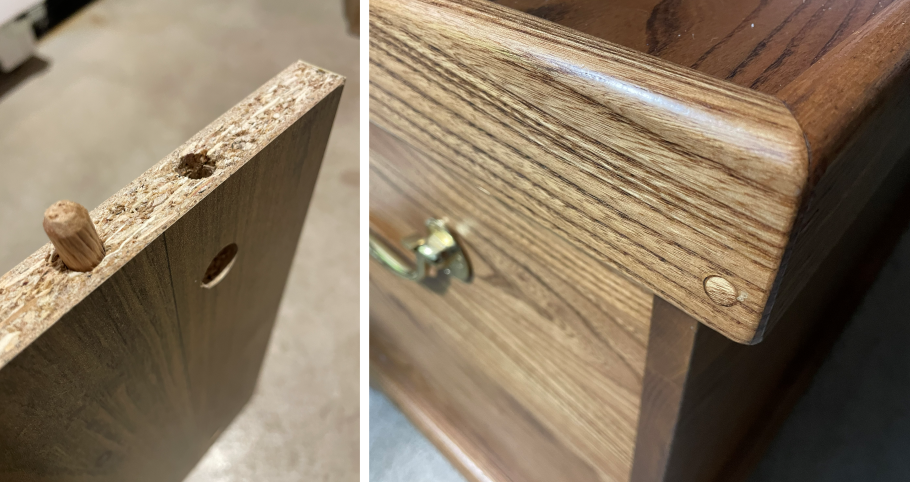
A comparison of fast furniture construction on the left with high-quality, solid wood construction on the right.
The environmental impact
The short lifespan of fast furniture comes with a big cost. It has quietly become a major source of waste in the United States.
- In 2018, Americans threw away 12.1 million tons of furniture. This is a 450% increase since 1960.
- More than 80% of discarded furniture ends up in landfills.
- Only 0.3% is recycled.
Most fast furniture can’t be recycled because it contains mixed materials, glues, plastic coatings, and chemical finishes that don’t break down. When these items sit in landfills, they can release toxins into the soil and water over time.
The environmental footprint isn’t just about disposal. The production of cheap furniture relies on deforestation from unsustainably harvested wood, high carbon emissions from global shipping, chemical pollution from dyes, foam, adhesives, and finishes, and non biodegradable plastics that can last for decades.
All of this adds up to furniture that looks inexpensive at the store but has a very high cost for the planet.
The financial cost to consumers
Fast furniture often feels like a good deal in the moment, but it can add up to be expensive over time.
- Because it breaks or wears out quickly, people end up replacing it more often.
- Trend-driven shopping leads to impulse purchases that don’t last. Americans waste an estimated $8.7 billion every year chasing short-lived décor trends online.
- Cheap furniture has almost no resale value.
- Disposal isn’t free. Hauling and dumping bulky items adds hidden costs, whether paid by the household or absorbed by cities and counties.
Meanwhile, older furniture, especially solid wood pieces, was built to last generations. Before mass production, furniture was made with durable materials like solid pieces of oak, maple, walnut, and other hardwoods. Families expected a table or dresser to last from childhood to adulthood and beyond. That “heirloom mindset” resulted in furniture that can still be found today in thrift stores, garage sales, and vintage shops.
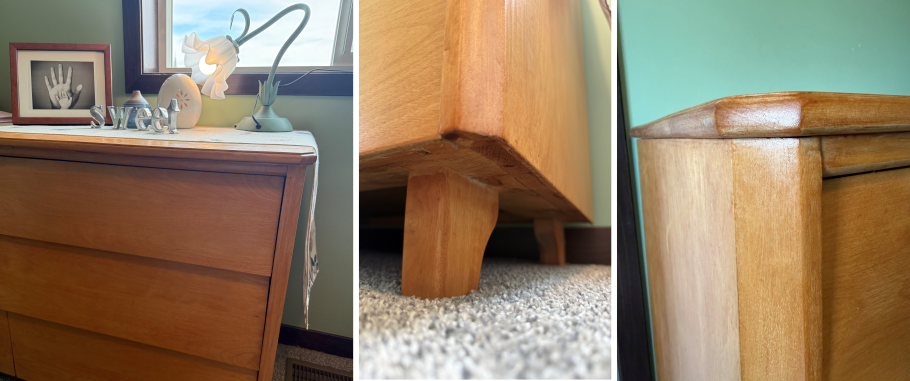
This dresser, built over 75 years ago by a Hennepin County staffer’s great-grandfather, is still in use today in her daughter’s nursery.
The case for buying used
Buying used furniture, gently used furniture, or vintage furniture is one of the easiest ways to reduce waste and save money. High quality pieces often cost less secondhand than new fast furniture, and they last much longer.
Benefits of buying used include:
- Better quality: Older furniture is often solid wood with sturdy joints and craftsmanship.
- Lower cost: You can find pieces for a fraction of the price of new furniture.
- Unique style: Vintage items add character you can’t get from mass produced décor.
- Less waste: Extending the life of furniture keeps it out of landfills.
- Less environmental impact: No new materials, no new manufacturing emissions, and no cross-country shipping.
Spring is the perfect time to shop used
In Hennepin County, spring brings garage sales, neighborhood events, moving-season giveaways, and community markets where used furniture is easy to find. These seasonal sales often include high-quality items at low prices, or sometimes even free! Check with your city for upcoming events.
Tips for avoiding fast furniture and choosing better alternatives
If you’re ready to skip fast furniture and choose something that lasts, here are some simple ways to get started:
- Buy secondhand or vintage whenever possible. Look for solid wood, real metal hardware, and sturdy joinery.
- Upcycle or refinish what you already own. A bit of sanding and paint can completely transform a piece. Find more ideas and tips in our article about reclaimed hobbies.
- Support sustainable brands or look for sustainability certifications if you buy new.
- Choose modular pieces that can adapt as your space or needs change.
Fast furniture might be convenient, but it comes with environmental and financial consequences that many people never see. Choosing durable, high-quality used pieces helps reduce waste, save money, and bring long-lasting character into your home.