Every October, thousands of Minnesota kids pull last season’s gear out of the closet and discover it no longer fits. Welcome to hockey season in Minnesota. A full set of new equipment can easily run $400 to $700, and the fastest-growing kids will need the next size up by the holidays.
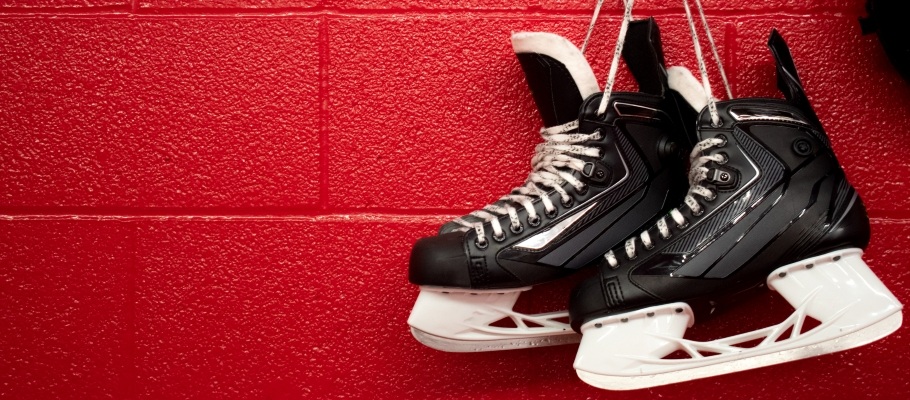
The good news is that used hockey gear is everywhere in Hennepin County. Kids outgrow skates, pads and sticks every season, often without any significant wear and tear, so cheap hockey equipment for kids is easy to come by and the savings are substantial. Buying used hockey equipment keeps good gear in play, saves the resources it takes to make and ship something new, and leaves more room in your budget for other things.
This guide covers where to find used hockey equipment, what to check before you buy, and which pieces are worth buying new.
Where to find used hockey equipment
Resale sports shops
Play It Again Sports in Minnetonka and Maple Grove buys, sells and trades used hockey gear year-round, no appointment needed. Instant Replay Sports in Bloomington specializes in new and used hockey and broomball equipment and takes trade-ins. Staff inspect and price everything, and your player can try it on, which makes this a low-risk way to shop.
Hockey consignment
Gear Guyz sells used and pro stock hockey equipment online and runs its consignment program through General Sports in Edina. Drop off outgrown gear and get paid when it sells.
Association sales and swaps
Many youth hockey associations hold a used equipment sale or swap as the season gets underway, which is the best place to find cheap hockey equipment for kids in one place. Ask your association and watch for local events on Choose to Reuse.
GearSwap is a Minnesota-only online marketplace built by hockey families where you can filter listings by association and equipment category.
Online marketplaces and local groups
Facebook Marketplace, SidelineSwap, Craigslist and neighborhood Buy Nothing groups are full of used hockey gear. Meet at a rink or a designated safe exchange zone and bring your player to check the fit before money changes hands.
What to check before you buy
Give every piece a careful once-over and resist buying big to grow into. Oversized skates and helmets make it harder to skate and stay protected.
Skates
Hockey skates run about one to one and a half sizes smaller than shoe size. Toes should just brush the toe cap, with no more than a half size of growing room. Squeeze the heel and ankle. If the boot collapses, it has broken down and you should avoid purchasing. Check the holders for cracks, the rivets for rust and the steel for enough blade left to sharpen, because new steel isn’t cheap.
Helmets
Look for the HECC sticker on the back with a “valid until” date. Certification expires six and a half years after the helmet was made, and USA Hockey requires a certified helmet and face protection for youth play. An expired helmet is worthless, no matter how clean it looks. Check for cracks, missing hardware and crushed or crumbling foam. If you can’t learn a helmet’s history, buy new instead.
Shoulder pads, elbow pads, shin guards and pants
Press firmly on the padding. Foam that feels hard or crushed won’t absorb a hit. Look over the plastic caps for cracks, and make sure straps and Velcro still hold. Shin guards should run from the top of the skate to just below the kneecap, and shoulder pads should cover the collarbone.
Gloves
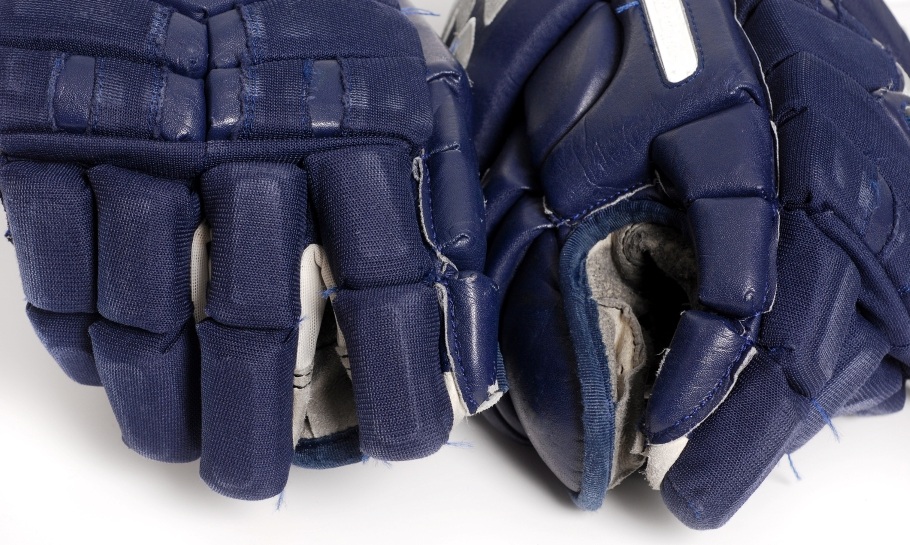
Palms wear through first, so check for holes and thin spots. Press the foam on the backs and fingers, and make sure the cuff still flexes.
Sticks
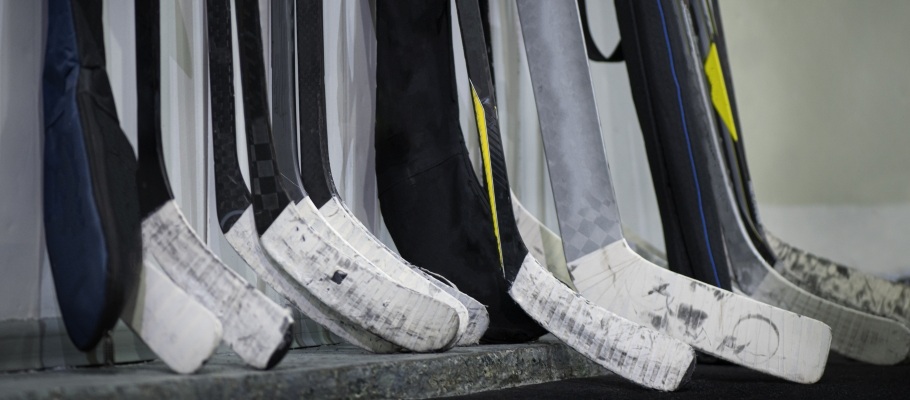
Run a hand down the shaft and blade feeling for cracks, chips and soft spots. A kid’s flex should be less than half their body weight. Cutting a stick down makes it stiffer, so one trimmed for a taller player may be too stiff for yours.
What to buy new
Mouthguards, jocks and jills, and neck laceration protectors are inexpensive new and should never be shared. USA Hockey requires neck laceration protection for all youth players. Laces and tape are also worth buying new.
How to spot a great deal
Know the new price
Look up the new price before you shop. Used hockey equipment in good shape typically goes for half of retail or less, and association sales often go lower. If a used price is close to new, the gear should be nearly new.
Buy the whole bag
Families often sell a complete set when a player moves up a size, and a full bag usually costs less than piecing one together. Be sure to inspect every item before you agree to the whole lot.
Shop early
The selection of used hockey gear is best in October, when sales and swaps are happening and families are cleaning out bags. By midseason, the size you’re looking for is likely gone.
Pass it on
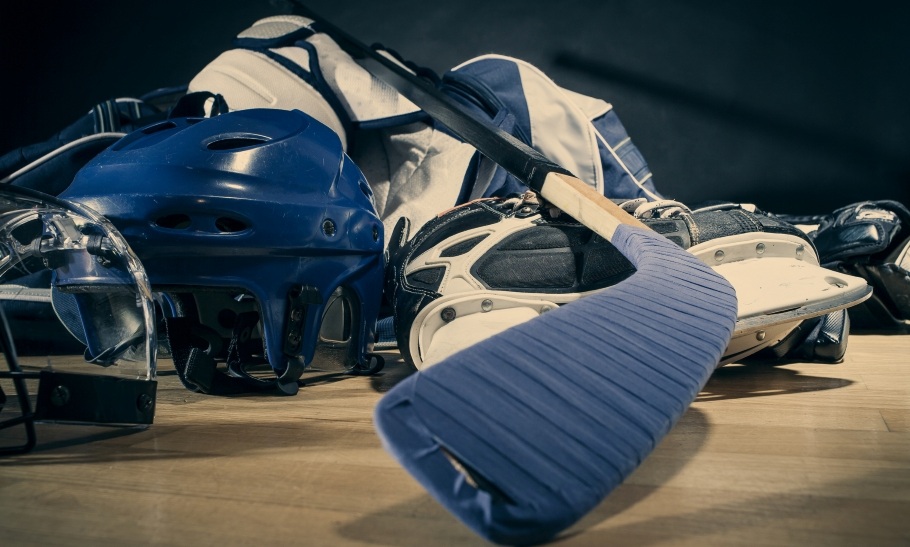
Your player’s outgrown bag is someone else’s first season. When the next size up arrives, trade the old gear in at a resale shop, list it on GearSwap or SidelineSwap, or donate it. DinoMights in south Minneapolis and the Minneapolis Titans both refurbish donated gear for kids who otherwise couldn’t afford to play.
Skates are the biggest need, and helmets must have a valid HECC sticker. Every fall, the Minnesota Wild, Minnesota Hockey, and Let’s Play Hockey run a used equipment drive at metro rinks, including Braemar in Edina, Parade Ice Garden in Minneapolis and arenas in Bloomington, Minnetonka, New Hope and St. Louis Park. The gear is given away free to associations and families in October.
Every skate, stick, and shoulder pad that finds a second player is one less thing in the landfill and one more kid on the ice.
Find a retailer, repair shop or donation site near you in our online directory.