When thinking about waste reduction and recycling, most people picture cans, bottles, and a compost pile, but not what’s inside their closet. However, clothing is a big contributor to the trash bin and being environmentally conscious about your wardrobe is another important aspect of a low waste lifestyle. Here are some steps to reduce your impact.
Care for the clothes you have
When it comes to sustainable laundry, adopting best practices can significantly contribute to extending the life of your clothing and, in turn, reduce the environmental impact of clothing production.
You may recall learning to separate light clothing from darker colors and when to use hot or cold water. If not, check out this wikiHow article on doing laundry. After washing, skip the hot dryer and choose to line-dry; it can help you avoid shrinking that new sweater or pair of wool socks while conserving electricity.
Next, learn some basic mending skills to sew on a new button, redo a hem, or patch a hole when something needs a fix. Learning these skills can save you money, decrease clothing waste overall, and reduce your need for clothing replacements.
Drop by a Hennepin County Fix-it clinic for hands-on assistance, or get Martha Stewart’s tips on basic sewing skills. You will also find books on clothing repair at a Hennepin County Library.
These practices all play a part in caring for your clothes sustainably, helping to minimize the environmental impact of your wardrobe.
When your clothes are past their prime
If you’re like most people, you have clothing in your household that goes unworn. Maybe your style changed, your kids grew, or your spouse changed jobs and only wears scrubs to work. When you get into spring-cleaning mode, don’t trash these clothes. If they are in usable condition, choose sustainability and donate your clothes so they avoid the waste stream and get another life.
When it’s time to change up your wardrobe
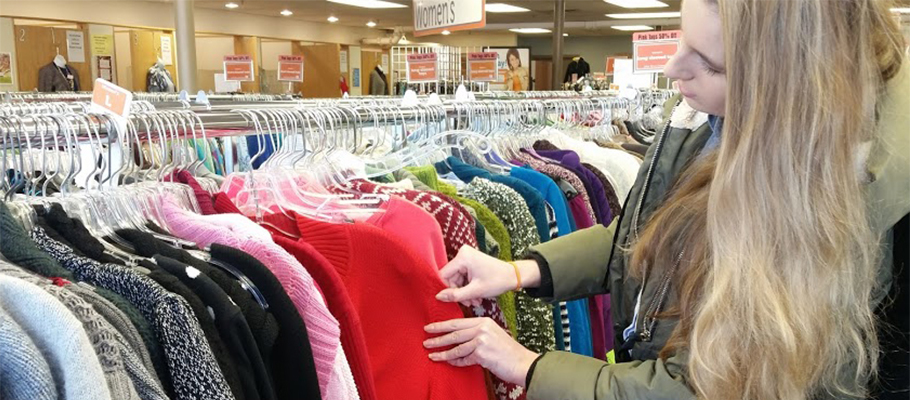
It takes resources to manufacture and transport clothing, so keep that in mind the next time you want to buy something brand new. Reduce your impact by finding new-to-you pieces at thrift stores, clothing swaps or local garage sales.
When you can’t find an item used, buy high-quality items that will last a long time rather than opting for cheap, trendy clothing. Don’t buy something simply because it’s on sale and instead purchase an item you truly love and will wear many times—it isn’t a deal if you don’t wear it.
Minimalist wardrobes
Although you can donate clothing when you no longer want it, the best option is to stop buying extra clothes in the first place. Minimalist wardrobes and “capsule wardrobes” are popular recently, and when done well they can reduce waste while saving you time and money.
The basic concept is to reduce your wardrobe to fewer versatile clothing pieces that you can mix and match, let go of the clothes you need “just in case…” and shop less frequently and shop more intentionally (buy only clothes that you love, that fit your body and your lifestyle). You can find endless tutorials and tips online to create your minimalist wardrobe.
Adopting some of these eco-friendly changes is big step on your journey to a more sustainable wardrobe. Whether it's mastering sustainable laundry practices, embracing the concept of minimalist wardrobes, or exploring thrift store fashion treasures, you can gradually curate a low waste wardrobe that not only aligns with your values but also minimizes your environmental impact.