Minnesota summers offer unmatched outdoor recreational opportunities. But many outdoor activities can come with a significant price tag. A new kayak, bike, or tent isn’t cheap. But the good news is that a lot of these items end up being sold with minimal wear and tear.
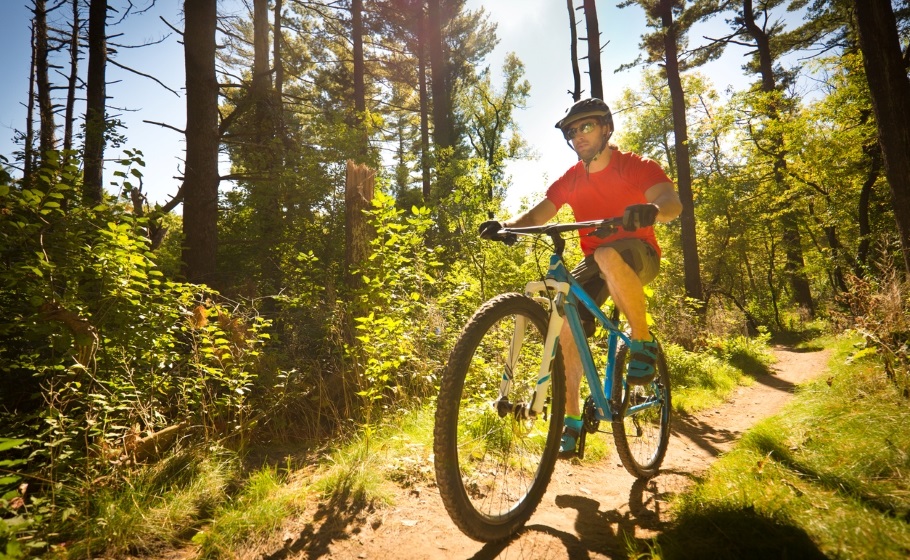
Hennepin County is full of quality secondhand recreation gear, often barely used and priced at a fraction of retail. When you buy used recreation equipment, you keep usable goods out of the landfill, you sidestep all the resources it takes to manufacture and ship something new, and you get out on the water or the trail with extra money in your pocket.
This guide walks you through where to look, what to check before you buy, and how to know when you've found a real deal.
Where to find used recreation equipment
Resale sports shops
Stores like Instant Replay Sports or Play It Again Sports buy, sell and trade used sports and fitness gear. Expect to find kayaks, skis, skates and more. Because staff inspect and price what they take in, it's a low-risk option.
Outdoor gear consignment and trade-in
Consignment shops and trade-in programs are a great way to exchange equipment you no longer need or find used equipment. REI's Re/Supply program sells secondhand gear and lets members trade in used items for store credit. Consignment exchanges like Repair Lair take in everything from tents and sleeping bags to outdoor recreation clothing.
Thrift and reuse stores
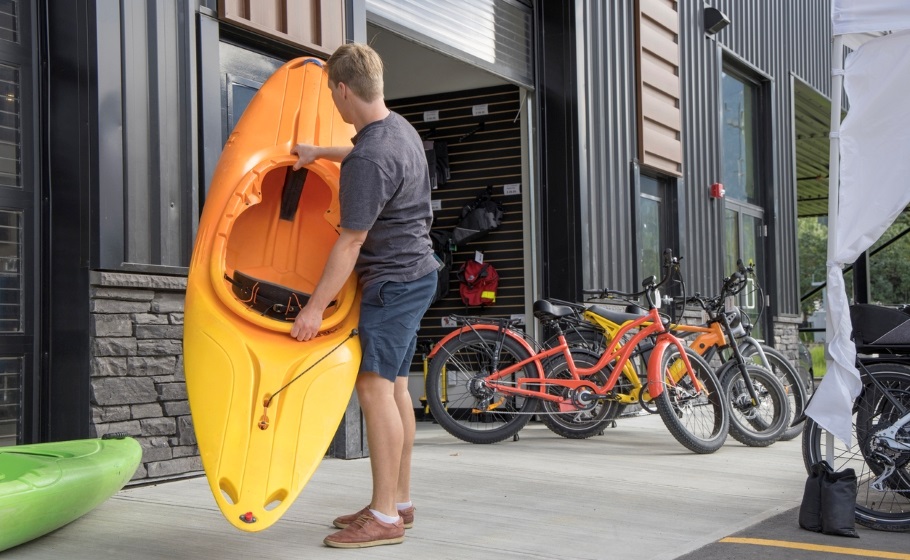
Don't overlook general resale stores like Arc's Value Village and other thrift shops. Camp chairs, coolers, life jackets, cross-country skis and fishing gear turn up constantly, usually at bargain prices.
Seasonal swaps and flea markets
Mark your calendar for the Twin Cities Bike Swap each spring and ski and snowboard swaps each fall. These swaps are some of the best places to buy and sell gear directly, often with experienced enthusiasts available to answer questions. Local flea markets like the Hamel Lions Flea Market can also be a great option.
Online marketplaces and local groups
Facebook Marketplace, neighborhood Buy Nothing groups, Craigslist and gear-specific sites like Geartrade are full of listings for a variety of gear types.
What to inspect before you buy
Buying used is smart, but you need to know how to inspect gear properly. Give everything a careful once-over before buying. Here are few things to watch for in specific equipment types.
Bikes
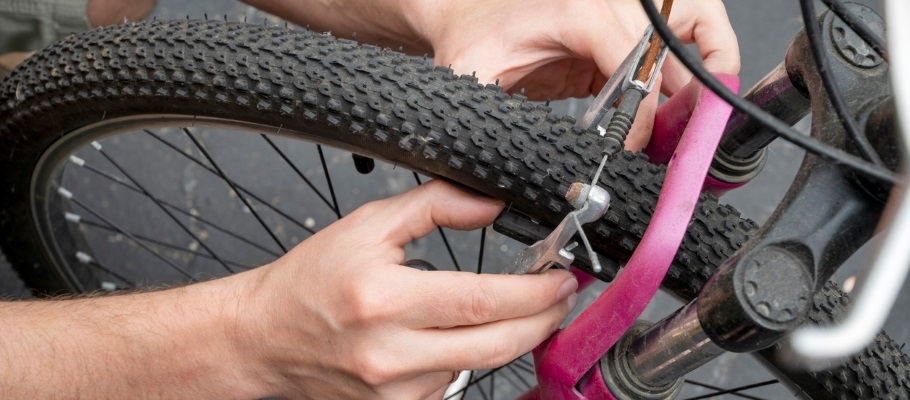
Spin both wheels and watch for any wobble. Squeeze the brakes, shift through the gears and lift the bike and drop it lightly to listen for rattles. Check the tires for cracking and the frame for dents or rust, especially near the welds. A tune-up is cheap, but a cracked or bent frame should be a dealbreaker.
Kayaks, canoes and paddleboards
Run your hand along the hull looking for deep gouges, soft spots or repairs. Check that seats, foot braces and hatches work. With inflatables, ask the seller to pump it up so you can confirm it holds air.
Tents and sleeping bags
Set the tent up if you can. Confirm all the poles are included and the zippers are working. Look for tears, mildew smells or a flaking waterproof coating. For sleeping bags, fluff is critical. A bag that won't fluff back up won’t keep you warm.
Skis, snowboards and boots
Check edges for rust and the base for deep gouges. Make sure boots match your size and that bindings are a model a shop can still safely adjust. Press on ski boot buckles and snowboard straps to be sure nothing is cracked.
Across all categories, ask the seller two simple questions. Why are you selling it? Has it ever been repaired?
Renting equipment before you buy is also great way to test-run different brands and styles before committing to a purchase. Check out this previous Choose to Reuse article about renting summer outdoor gear in Hennepin County.
How to spot a great deal
A low price isn't always a good deal and a high price isn't always a bad one. Here's how to tell the difference.
Know the new price first
Look up what the item costs new before you shop. As a rule of thumb, quality used recreation equipment sells for roughly 40 to 60 percent of retail, and lightly used name-brand gear holds value well. If something is priced near retail, it should be nearly new.
Favor durable, repairable brands
Gear from established outdoor brands is easier to fix, find parts for and resell later. A used item from a brand with a strong warranty or repair program can be a better buy than a cheaper unknown brand.
Factor in what it needs
A $150 bike that needs $80 of work isn't a $150 bike. Add the cost of new tires, a tune-up, replacement pads or a fresh waterproofing treatment into your mental price tag.
Buy off-season
The best prices are seasonal. Shop for skis in spring, kayaks in fall, and bikes in late autumn. When everyone else is selling, you should look to buy.
Don’t get rushed
If a seller is rushing you or won't let you test the gear, walk away. There is always more used gear.
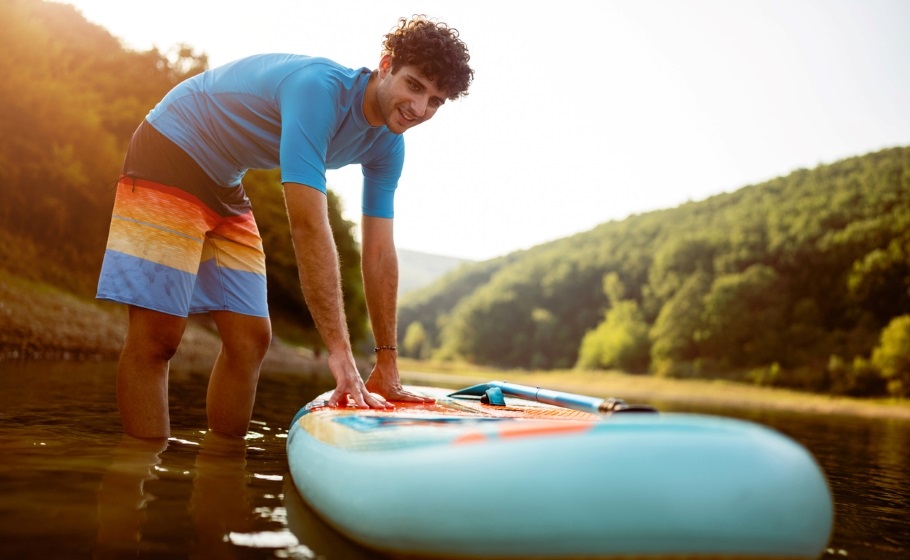
The best part of buying used is that it doesn't end with you. When you outgrow a bike, upgrade your tent or finally admit the paddleboard isn't getting used, sell it, donate it, or pass it to a friend who's just getting started. Repair shops, Fix-it clinics and trade-in counters across Hennepin County can keep your gear in service for years.
Every piece of secondhand outdoor gear that finds a new home is one less item in the landfill and one more person out on the lake or the trail.
Find a retailer, rental, repair shop or donation site near you in our online directory.