
Ready for winter: How the county prepares year-round
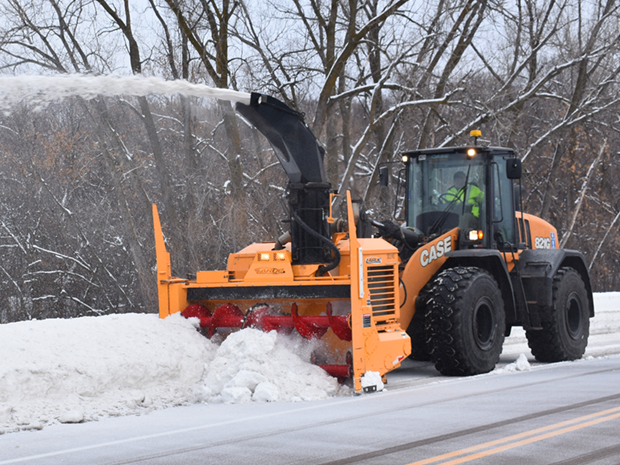
County teams work year-round to keep roads safe, maintain critical services and help residents prepare for Minnesota's winter weather.
Winter in Minnesota can bring heavy snowfall, dangerous cold, icy roads and rapidly changing conditions. Long-range forecasts offer clues about what the season may bring, but we know that preparation is key no matter what the forecast predicts.
Across Hennepin County, employees work ahead to help maintain essential services, support public safety and connect residents with resources during winter weather events.
Preparing before the first snowfall
Hennepin County’s Emergency Management Department works year-round with county departments, municipalities, state partners and community organizations to prepare for severe winter weather. Planning efforts focus on maintaining essential functions and services, coordinating resources, and ensuring timely communication before, during, and after winter weather events.
When snowstorms, extreme cold or other winter hazards are forecast, Emergency Management helps coordinate information-sharing across agencies and supports countywide response efforts. The team also plays an important role in emergency communications, helping residents, employees and partner organizations stay informed about changing conditions and available resources.
Preparedness starts with awareness. Emergency Management encourages residents to monitor weather conditions regularly, especially during active winter weather.
“Winter weather can change rapidly in Minnesota, which is why preparedness and staying informed are so important,” said Emergency Management Director Eric Wagge. “We encourage residents to have a plan, prepare ahead of time, pay attention to forecasts and check multiple trusted weather sources throughout the day so they can make informed decisions when conditions change.”
Keeping county roads clear
Throughout the winter, transportation crews monitor conditions and respond to snow and ice events across the county's transportation network.
Plow drivers are dispatched overnight to one of five truck stations. Around 2 a.m., Hennepin County crews are already gearing up to tackle the 2,200 lane miles of county roads.
The goal is to make at least one pass on all county lanes before the morning commute, helping residents travel safely on key routes that connect communities, neighborhoods, schools, and workplaces.
Crews are trained to consider the roadway environment — from hills and waterways, to curves, sidewalks and bus stops. They use weather-monitoring technology to apply the right treatment, in the right amount, for changing road conditions.
Depending on the storm, crews continue working throughout the day to clear remaining snow, treat icy spots, and maintain safety features like guardrails to help keep roads safe for everyone.
Warming spaces, other resources
Hennepin County works with community partners to help residents stay warm during extreme cold. If you or someone you know needs shelter from the weather, daytime warming spaces are available throughout the county, including libraries, community organizations and public buildings. Emergency overnight shelter is available through the Hennepin Shelter Hotline at 612-204-8200.
Outreach teams also connect people experiencing homelessness with shelter, transportation, health care and other support services during severe weather.
Hennepin County and its partners provide more than 1,000 shelter beds each night for single adults and additional beds for youth and young adults. Families with children under 18 who qualify for shelter are not turned away under the county's shelter-all policy.
In addition to emergency shelter and winter resources, Hennepin County continues to invest in long-term housing solutions that help residents achieve lasting housing stability.
Preparing together
Minnesota winters are unpredictable, but preparation helps communities stay resilient. Residents are encouraged to take the following steps now to prepare for winter weather.
- Build or update an emergency kit.
- Monitor local forecasts and weather alerts.
- Dress appropriately for cold temperatures.
- Allow extra time for travel during winter weather.
- Check on family members, neighbors and older adults during extreme cold.
By planning ahead, staying informed and knowing where to find resources, residents can help keep themselves and their families safe throughout the season.