
Environment
Environmental education overview
A wide variety of free environmental education resources, project support and funding are available to organizations working with residents and youth in Hennepin County.
Get the latest updates on environmental education programs and resources, learn about events and training opportunities, and read what others in the field are doing:
- Subscribe to our Environmental education news monthly update email. See the most recent edition for an example of the content.
- Join our Environmental education network Facebook group to collaborate about environmental education and connect with others.
Environmental education network
About the environmental education network
Hennepin County coordinates an environmental education network that is open to anyone working to engage their community in learning about and taking action to protect the environment. The network has quarterly meetings and a Facebook group that provide opportunities for environmental educators to learn about environmental topics, share resources and project ideas, and network.
Join the Facebook group
The environmental education network Facebook group serves as a forum for collaboration around environmental, outdoor and place-based education and motivating environmental action. Members can use this group to share environmental education opportunities and resources, job postings, volunteer opportunities, success stories, and project updates.
Network meetings
Network meetings provide opportunities for to learn about environmental topics, share resources and project ideas, and network with fellow environmental educators. Meetings are held quarterly and are open to the public.
Gateway Center tour
Tuesday, September 22 from 10:30 a.m. to noon
 Join fellow educators at Mississippi Gateway Regional Park for a tour of the Gateway Center. Get a behind-the-scenes peek at the newly constructed building and learn about the programs offered at the park. A naturalist will lead participants through the tour, which will conclude with a bird watching activity on the treetop trail.
This meeting will be held both indoors and outdoors with a short hike. Outdoor attire recommended.
Register for the September 22 network meeting
Map to bus, bike, drive, or walk to Mississippi Gateway Regional Park
Swap-it event tips and tricks
Held virtually on March 11, 2026
Swap events are a fun, sustainable way to reduce waste, share resources, build community, and support local reuse efforts. Learn the ins and outs of hosting swap events from Reuse Minnesota and the City of Edina.
Building trust with your audience on social media
Held virtually on November 20, 2025
Join fellow environmental educators for a virtual network meeting about building trust with your followers and audience on social media. We will hear from Jessie Brown, Social Media Specialist from the Iowa Department of Natural Resources, about how a successful social media effort relies on building quality relationships with your audience, and how the foundation for developing, maintaining, and benefitting from those relationships is built on trust.
You will learn how to:
- Build trust with your audience
- Apply these concepts to your social content
- Maintain healthy boundaries
- Cash in on what you've built by empowering brand advocates
Local food and climate
Held virtually on April 7, 2025
Explore the intersection of food, climate, and sustainability in our community. Madison Taylor from Minneapolis Farm to School shared about how the program provides students with access to fresh, local food in school meals. Kajsa Beatty and Brad Jordahl Redlin presented about the Minnesota Department of Agriculture’s work to support farmers adopting climate friendly agriculture practices through Minnesota’s Climate-Smart Food Systems project.
Social media for the environment
Held virtually in December 2024
This meeting focused on using social media for environmental education. We showcased outstanding accounts and content to provide inspiration from successful examples of environment-forward social media content. Participants voted on their favorite content with high engagement and favorite funny post.
Hennepin County staff shared best practices for social media including how to increase accessibility, engagement, emoji tips, and platform-specific information. Use these resources to learn more:
- Hootsuite emoji meanings glossary
- Social media use by age group
- Sprout Social’s making social media more accessible
- Alt text tips from the Nielson Norman Group
Integrating weather in environmental education
Held in person on June 11, 2024
Educators, volunteers, and several interested staff members gathered for the second Hennepin County environmental education network meeting of 2024. The topic was integrating weather in environmental education.
Attendees learned about weather patterns, climate, forecasting, and more from Emily Jackson, a meteorologist with Hennepin County Emergency Management. The group discussed severe weather warnings, cloud types, how thunderstorms form, and various tools used to forecast weather. They then got a behind-the-gate tour of the various weather sensors and data-recording tools that are part of the Mesonet station at the Hennepin County Public Works Facility in Medina.
Several resources and volunteer opportunities were shared:
- Partner websites with timely forecasts, weather, and climate data included the National Weather Service, the Storm Prediction Center, the Minnesota Pollution Control Agency air quality conditions, and the Minnesota State Climatology office.
- Opportunities to get involved included volunteering to map the urban heat island, the Community Collaborative Rain, Hail & Snow Network (COCORaHS), and the SKYWARN storm spotter program from the National Weather Service.
- Numerous resources for educators:
Environmental podcasting 101: learn from the pros
Held on March 21, 2024
Watch this recording of an exciting and informative virtual meeting where we hear from hosts of The Wandering Naturalist (Three Rivers Park District) and We All Live Downstream (Clean Water Action) podcasts. They share their insights and experiences on how to create and grow a podcast that engages and entertains your audience. Presenters share about their podcast topics, production processes, recording techniques, feedback mechanisms, and more.
Show and tell: integrating technology in outdoor and environmental education
Held on October 16, 2023 in Minneapolis
Educators and program managers from cities, watershed districts, nonprofits, schools, and neighborhood organizations gathered in-person at the Kroening Nature Center on Monday, October 16, for the third Hennepin County environmental education network meeting of 2023. The topic was a show and tell of technology we use as educators to engage our audiences in outdoor and environmental education.
Attendees shared a variety of different technologies with each other at the meeting including LakePledge (download the Lake Pledge app on Apple’s App Store or Google Play), Moose Mission, Merlin, PlantNet, Picture This, Picture Mushroom, Seek by iNaturalist, Zooniverse, Goose Chase, and Chat GPT. The group discussed how integrating technology into learning can help students build knowledge and provide different access points into nature. In some cases, it has become necessary to use technology to bring kids back out into nature and help kids better retain information. As one attendee shared, “technology is here to stay,” so we as educators need to do our best to integrate it into our teaching rather than shying away from it.
Virtual panel about adult education
Held on March 23, 2023
Watch the meeting where a panel of organizations discuss the details of conducting adult environmental education programs. Learn about how their programs have landed (virtual, in-person, or hybrid), the recruitment of adult participants, and success stories.
Panelists included:
- Alex Van Loh and Kris Meyer from Freshwater representing the Minnesota Water Stewards and Adopt-a-River
- Kaitlin Keller from Hennepin County representing Community Recycling Ambassadors
- Kate Hersey from the Minnesota Tool Library
Green Pathways and youth employment
Held in fall 2022
Learn about work Hennepin County has been doing related to youth employment in the environmental field. The Green Pathways youth internship project was piloted by Hennepin County this summer. Find out about the intern experience including highlights from one of the interns. Participants will also hear how Green Pathways was created and implemented from the project manager.
The meeting recording includes Green Pathways youth intern takeaways, an overview of Green Pathways program creation and implementation, and research and outreach findings about youth employment in the environmental field. Green Pathways pilot overview 2022 slideshow (PDF, 10MB)
Reducing food waste
Held in 2022
Even though we love food, a surprising amount of it goes to waste. About 40% of food is wasted somewhere along the supply chain in the U.S., and much of that food waste happens at home. Food waste costs each of us a significant amount of money and wastes the resources that go into producing and transporting our food. Taking steps to prevent food waste is the best opportunity to reduce our trash and is a powerful climate solution.
Amy Maas and Alisa Reckinger from Hennepin County cover the following topics in the recording of the network meeting:
- What we know about food waste and people’s barriers and motivations for taking action.
- Activities and resources to engage audiences in learning about and reducing food waste.
- The county’s upcoming Stop Food Waste Challenge and partnership opportunities.
Resources
- Preventing food waste slideshow (PDF, 10MB)
- Food waste reduction resource list (PDF, 1MB)
- Video recording of meeting (YouTube)
Recruitment and retention of staff in the environmental education field
Held in 2022
Learn from two staffing experts who share best practices for job descriptions, interviewing, recruitment, increasing diversity in staff, and benefits that help with retention.
Presenters:
- Abbie Hugunin, Recruiter, Hennepin County Human Resources
- Becky Rice, Executive Director, Metro Blooms
Connecting climate with community
Held in 2021
Our ability to address climate change relies, in part, on engaging different audiences in taking action. As Hennepin County prepared its Climate Action Plan, a group of Environment and Energy staff got up to speed on the latest national and international research into the public’s perception of climate issues. Learn what insights from research tell us about the public’s knowledge and attitudes about climate change, barriers and motivations to taking action, and effective messaging strategies.
Training resources
Communication resources and print materials
Spread the word! Use the following resources to promote environmental programs, issues and news in your communication channels. Resources include newsletter articles, web stories, social media posts, images and handouts. Resources are available for current campaigns and for general environmental issues.
Educational materials
Factsheets, pamphlets and handouts covering a wide variety of environmental topics are available to community groups, municipalities and schools in Hennepin County at no charge. Be sure to plan ahead: it can take up to two weeks for us to send your order out.
See what's available and place an order.
Videos
Videos about our environmental programs are available on our YouTube channel.
Media kits to promote programs and current campaigns
Recycling and reducing waste articles, social media posts, and images
Household hazardous waste community collection events
Plastic-Free Challenge
Trash or Cash food waste prevention campaign
- Trash or Cash media kit (DOCX, 24MB) with articles, social media posts, graphics and images, and video links and descriptions
- Trash or Cash website
Grant programs
- Multifamily recycling grants media kit (DOCX, 1MB) with articles, social media posts and images to reach out to general audiences.
- Building reuse grants media kit (DOCX, 20MB) with articles, social media posts and images to reach out to general audiences.
- Business recycling grants media kit (DOCX, 2MB) with articles, social media posts and images to reach out to general audiences.
Green Partners grants
MNimize: single-use plastic reduction campaign for food businesses
- MNimize media kit for reaching out to food businesses (DOCX, 2MB)
- MNimize media kit for reaching out to food businesses (PDF, 1MB)
- MNimize media kit for reach out to the public and consumers (DOCX, 1MB)
Green events
- Green events media kit (DOCX, 1MB) with articles, social media posts, graphics, and sample email to reach out to general audiences
Recycling
Fix-it clinics
Swap-It events
Community Recycling Ambassadors
Reduce, reuse, and low-waste lifestyle
Articles that take a deep dive into waste prevention, reuse and low-waste lifestyle topics are available on the county's Choose to Reuse website.
Tips to fight food waste
- Create meals, not waste: tips to stop food waste (DOCX, 4MB)
- Create meals, not waste: Planning ahead to reduce food waste, Hennepin County Climate Action article
- Eat the food you buy: Storing food to make it last, Hennepin County Climate Action article
- Refrigerator Insider food waste reduction tips flyer (PDF, 1MB)
Holiday waste reduction and disposal
Disposing of and reducing hazardous waste articles, social media posts, and images
Household hazardous waste collection events
- Household hazardous waste collection events media kit (DOCX, 1MB)
- Household hazardous waste collection events
- Household hazardous waste event flyer (PDF, 2MB)
Spring cleaning with the Green Disposal Guide
Be a Battery Hero
The Be a Battery Hero campaign ask residents to put batteries in their place. Recycle batteries at Hennepin County’s drop-off facilities in Bloomington and Brooklyn Park. Please share campaign messaging with the communities you work with. You can download campaign assets below. Materials available in multiple languages.
Medicine disposal
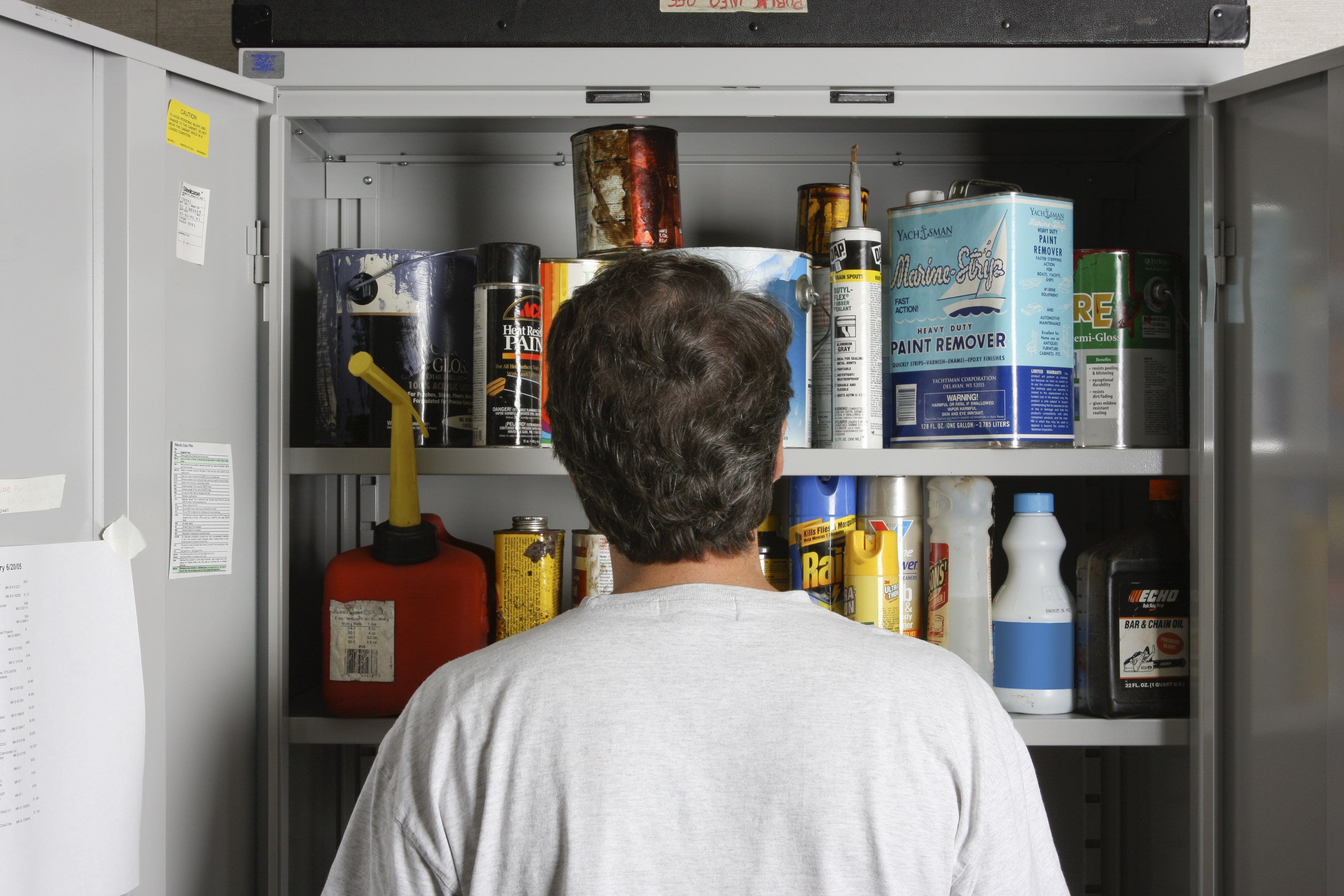
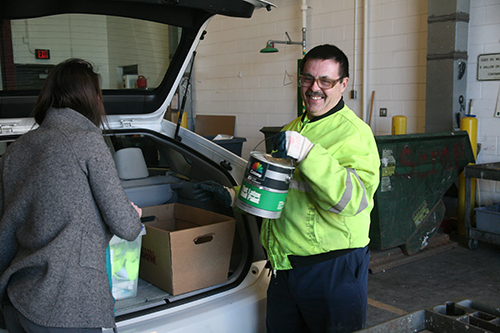
Identifying, reducing and disposing of hazardous waste
- Article and social media posts (DOCX, 1MB)
- Man looking at hazardous products on shelf image (JPG, 1MB)
- Dropping off hazardous waste at a drop-off facility image (JPG, 1MB)
Green cleaning recipes
Disposal options for needles and sharps

Protecting land and water articles, social media posts, and images
1, 2, Tree campaign
Actions to protect water quality
Adopt-a-Drain
Providing habitat for birds and bats
Sustainable landscaping and pollinators
Land protection and restoration
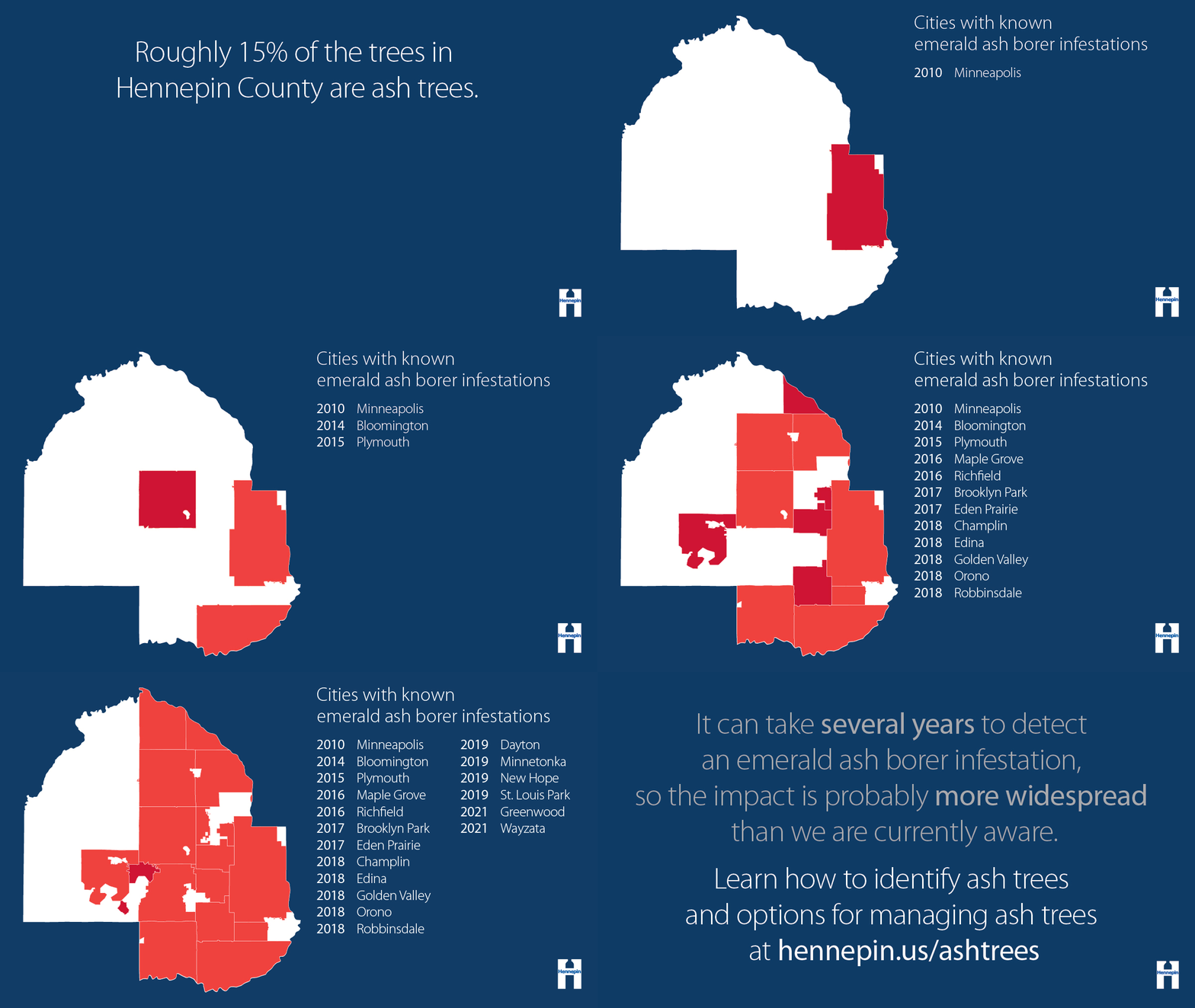
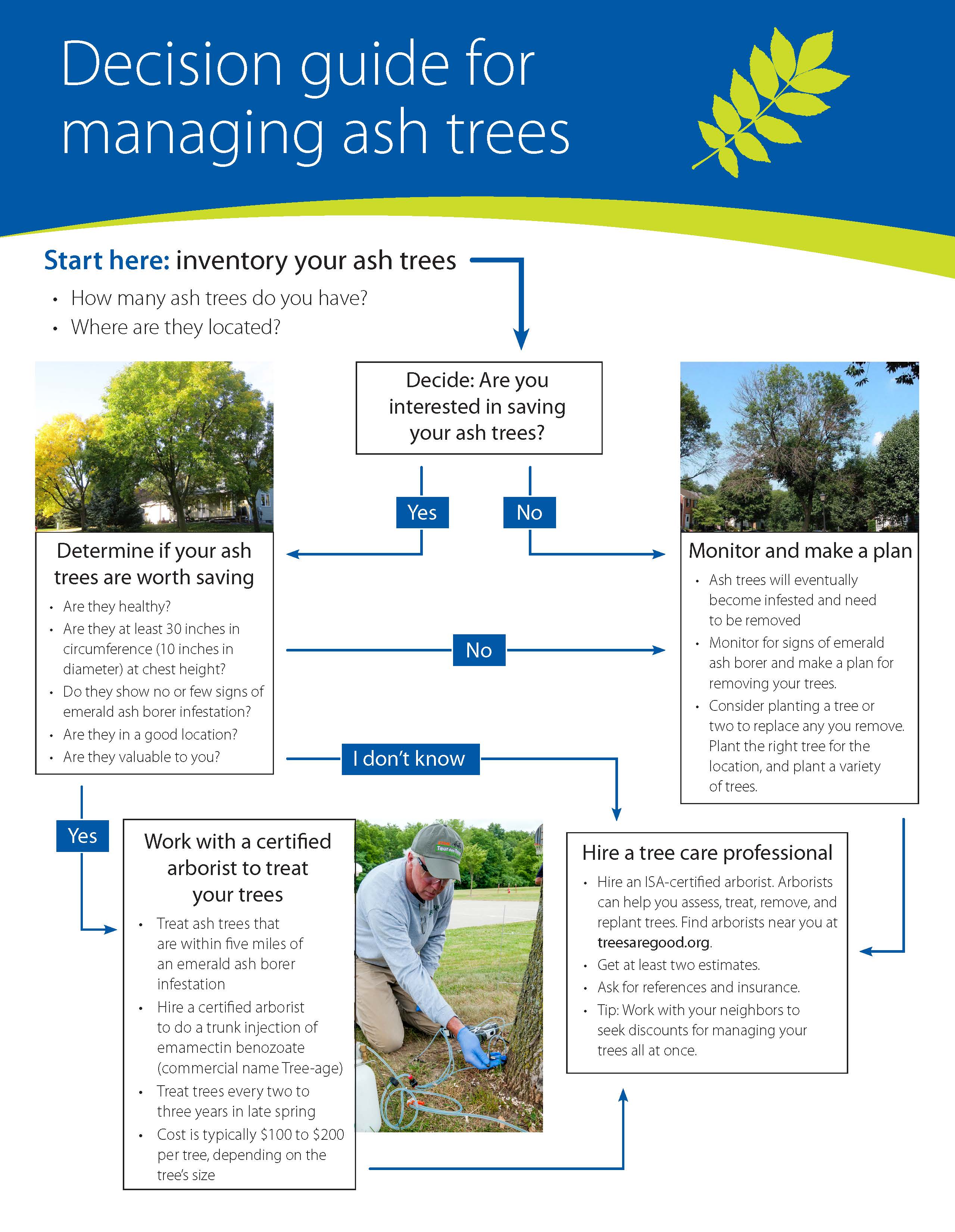
Emerald ash borer and options for managing ash trees
- Ash trees and emerald ash borer
- Newsletter and social media posts (DOCX, 1MB)
- Spread of emerald ash borer image (GIF, 1MB)
- Decision guide for managing ash trees image (JPG, 1MB)
- Decision guide for managing ash trees (PDF, 3MB)
- Identifying ash trees (YouTube)
Clean Water Minnesota stories
Find stories of what others are doing to protect water and actions everyone can take on Clean Water Minnesota.
West Metro Water Alliance media kits
Find a list of media kits produced by the West Metro Water Alliance, a partnership of the Bassett Creek, Elm Creek, Shingle Creek, and West Mississippi Watershed Commissions.
Climate action articles
Articles with tips and resources for taking action on climate change at home and in your community are available on the Hennepin County Climate Action website.
Organics recycling, composting and disposing of yard waste articles, social media posts, and images
Organics recycling
- Organics recycling basics media kit (DOCX, 2MB)
- Tips for setting up organics recycling at home media kit (DOCX, 2MB)
Composting
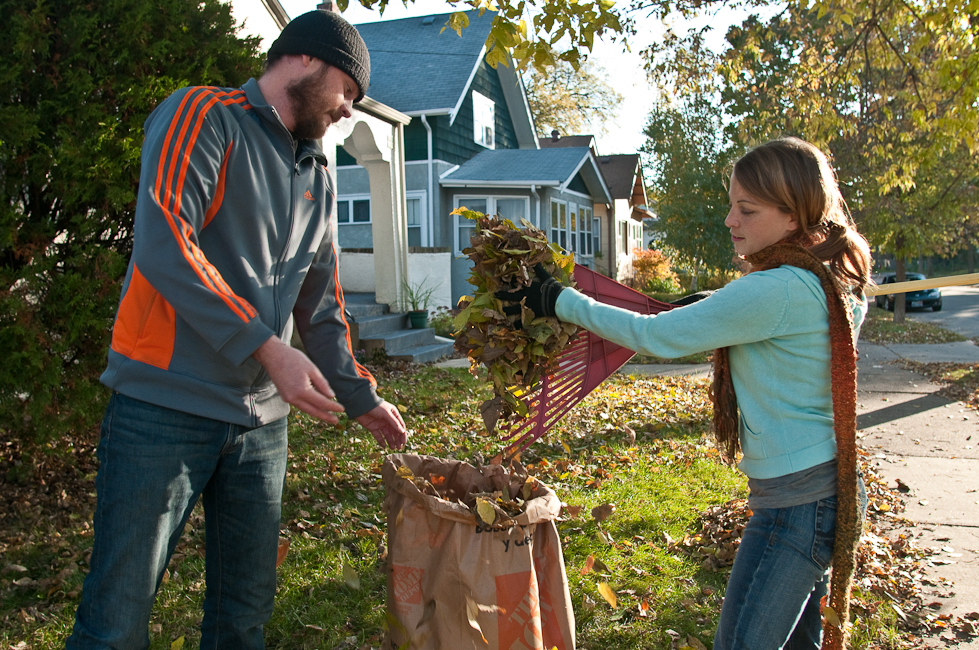
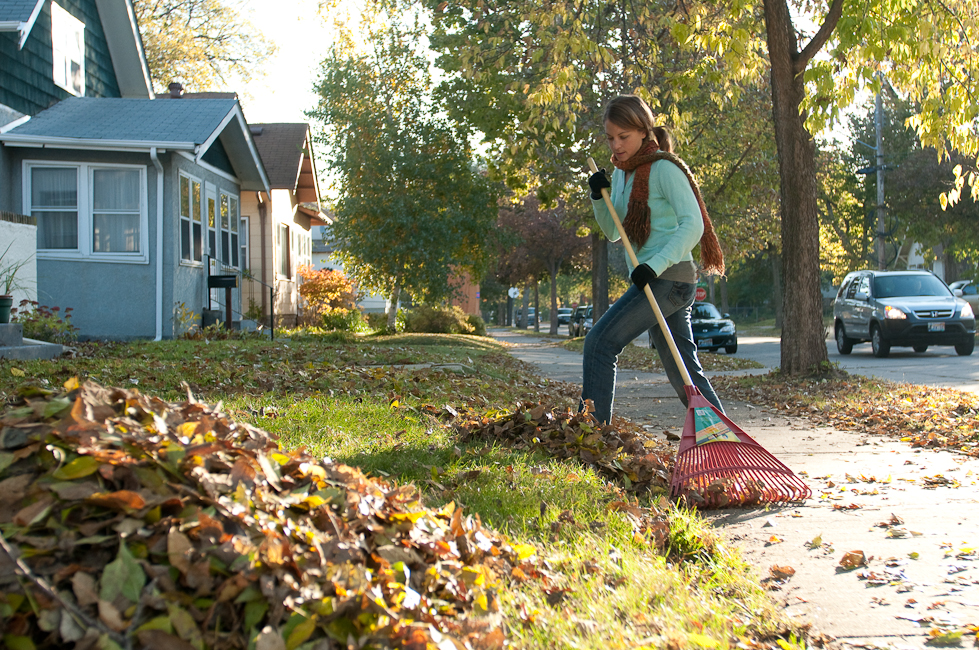
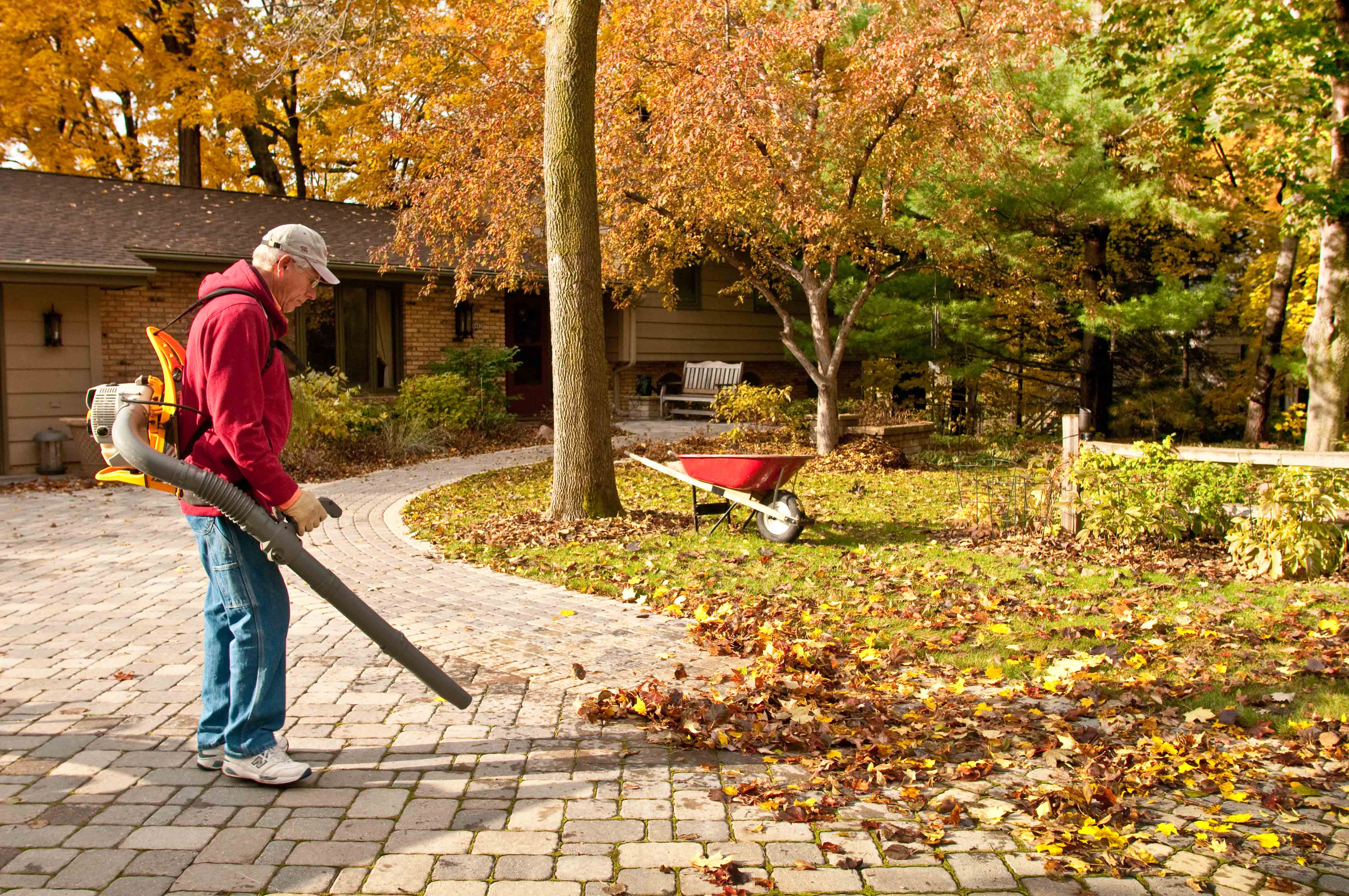
Yard waste
Educational kits, supplies and event displays
Guidelines for reserving education kits
Education kits and activities that can be checked out for use in environmental education lessons or as displays at events.
Kits are available for reservation by groups within Hennepin County. The maximum checkout period is 10 days unless approved by special request. Kits must be picked up and returned to the Hennepin County Environment and Energy office in downtown Minneapolis. Please request kits a minimum of one week before they need to be picked up to allow staff time to prepare them for you.
Available kits
- Brick of cans display
- Every Drop water demonstration kit
- Food waste prevention
- Green cleaning
- Green gifts
- Green parties
- Household hazardous waste
- Organics recycling
- Packaging waste reduction
- Recycled bowling game
- Recycled products
- Recycling education kit (youth)
- Recycling sorting
- Trees and forestry
- Water quality game
Activity supplies
Receive free activity supplies to engage people in environmental education activities. Available supplies include spray bottles to make homemade, green cleaners, and reusable bags. Order supplies.
Virtual education kits
Check back for more virtual kit materials covering other topics.
Virtual recycling education kit
Use these presentations and activities to create your own education kit to teach participants about recycling and also go through common items that are and are not recyclable in Hennepin County. Be sure to utilize our recycling guide as an additional education tool.
Recycling presentations:
Use these presentations during virtual meetings or lessons to teach participants background information about recycling and also go through common items that are and are not recyclable.
- Recycling presentation for elementary age youth (PDF, 4MB)
- 18 slides with presenter notes
- Recycling presentation for middle school age youth (PDF, 4MB)
- 19 slides with presenter notes
- Recycling presentation for high school age youth and adults (PDF, 3MB)
- 12 slides with presenter notes
Recycling BINGO activity:
Have some fun with this great BINGO game! Cards are customized by Hennepin County to feature both items that are recyclable and the natural resources they come from. There are beginning and advanced versions of this game.
Recycling BINGO materials
- Virtual BINGO instructions (PDF, 1MB)
- Virtual BINGO caller sheets
- Virtual BINGO cards
Resources and lesson plans from partners
Additional resources are available through Hamline University's Center for Global Environmental Education. Find resources online.
Curriculum ideas and activity guides
Environmental education curriculum
Our list of environmental education curriculum (DOCX, 1MB) is intended to help educators incorporate lessons and activities on environmental topics.
The guide includes both local and national resources on a variety of environmental topics, including climate change, composting, recycling, reducing waste, protecting land and water, and understanding ecosystems. Many of the resources are available for free, and some include low-cost training opportunities.
Hennepin County environmental education activity guides
The environmental education activity guides are intended to be used to engage audiences of all ages in learning about and taking action to protect the environment.
Activities are included on a variety of environmental topics. There are also a few general activities that could be applied to any environmental topic.
Each section includes background information to help educators and participants learn about the environmental issue. Each activity includes an introduction, recommended age group, estimated time requirement, outcomes and concepts to reinforce, supplies, preparation steps, procedure, discussion questions, additional activity ideas, and resources.
The activities have also been linked to state education standards. See the education standards matrix (PDF, 1MB).
Download activities by section below or download the entire activity guide package here (PDF, 32MB).
Introduction and general activities
Learn how to use activity guides, tips for motivating behavior change and teaching outside, along with general environmental activities to do with your group.
Introduction and general activities (PDF, 7MB)
Air, energy and climate change
Climate change is already noticeable in Minnesota. Animal and plant habitats are shifting, weather patterns are changing, and severe storms and droughts are becoming more common. If temperature readings and precipitation continue to increase within the next century, Minnesota might soon feel and look more like Missouri.
Background information and activities about air, energy and climate change (PDF, 6MB)
Organics recycling
Organics recycling involves collecting food scraps, non-recyclable paper and other compostable products to be recycled into compost at a large-scale composting facility. This process creates a nutrient-rich material that can be used in gardens and landscaping projects. Organics recycling is the best opportunity to reduce our trash – about 25 percent what we throw away is organic materials like food scraps and compostable paper. In order to be successful with organics recycling, it’s important to understand why it’s important, how it works, what is accepted, and how to get started.
Background information and activities about organics recycling (PDF, 8MB)
Protecting land and water
Minnesota is known for its abundance of water and natural resources. Hennepin County has a diversity of landscapes and habitats ranging from formal gardens and urban parks to prairies, forests lakes, streams and wetlands. Natural resources provide critical habitat for wildlife, protect water quality, offer recreational opportunities and serve as the foundation to the region’s environmental well-being, economic prosperity and collective quality of life. Protecting the health of our natural resources is important for air and water quality, recreation, wildlife and tourism.
Background information and activities about protecting land and water (PDF, 5MB)
Recycling
When you total up all the paper, plastic, aluminum and glass, Hennepin County recycles 580,000 tons each year. All of that recycling makes a big difference. By choosing to recycle, we reduce our consumption of fossil fuels, create jobs, conserve natural resources and protect the environment. Plus, recycling is simple, convenient and something the entire family can help with.
Background information and activities about recycling (PDF, 4MB)
Reducing waste
More than one million tons of garbage is generated in Hennepin County every year. From packaging and junk mail to excess paint and food scraps – it takes a lot of time and money to deal with all of that waste. Waste reduction is any method used by a consumer or producer of a product to reduce the amount of solid waste that will require recycling, composting, incineration or disposal. In other words, if something is never created or you don’t buy it, you don’t have to decide how to reuse it or dispose of it.
Background information and activities about reducing waste (PDF, 10MB)
Reducing food waste
As much as 40 percent of food produced in the U.S. for human consumption goes uneaten, and worldwide, one-third of food is wasted. About 36 million tons of food waste are generated in the United States each year. Food waste has increased significantly in recent years. Food waste per capita in the U.S. increased 50 percent from 1974 to 2009 according to the National Institute of Health.
Background information and activities about reducing food waste (PDF, 2MB)
Toxicity and hazardous waste
According to the U.S. Environmental Protection Agency, only a fraction of registered chemicals have gone through complete testing for human health concerns. Some chemicals have immediate toxic effects. Others are toxic to our bodies only after repeated, long-term exposure. In addition, many products we use in our homes contain heavy metals or other hazardous materials that can pollute the environment if improperly disposed of.
Background information and activities about toxicity and hazardous waste (PDF, 4MB)
Community science and stewardship opportunities
Stewardship means giving back to your community, learning ownership and responsibility to care for the world we live in, and participating in civic actions that lead to positive changes for the future we want to see.
These programs are an opportunity to get hands-on experience with volunteering and civic action that can lead to lifelong environmental stewardship. For groups interested in pursuing a volunteer or stewardship opportunity, download the stewardship journey map (PDF, 1MB) and email Mary at mary.karius@hennepin.us to request assistance.
Adopt-a-Drain
Water entering the storm drains on our streets flow directly into the nearest body of water, carrying leaves, grass, soil, litter, and anything else picked up along the way. This clogs stormwater infrastructure, contributes to street flooding, harms wildlife, and pollutes our waters. You can help by adopting a storm drain and volunteering just 15 minutes, twice a month, to keep it clean.
Learn more, sign up, and report your impact. Teachers, visit the educator website to request free classroom materials. To learn how to sort the litter you pick up, refer to the waste sort guide for litter cleanups (PDF, 3MB).
Community Recycling Ambassadors
Join fellow waste reduction enthusiasts and inspire others to reduce, reuse and recycle as a Hennepin County Community Recycling Ambassador!
Community Recycling Ambassadors are trained on waste prevention, recycling and composting through an extensive six-week course that features industry experts and field trips to local waste processing and recycling facilities.
Once training is complete, participants commit to volunteer 30 hours. Volunteer activities include staffing booths at events and designing and implementing waste reduction and recycling projects.
Community Recycling Ambassadors
Master Gardener program
Master Gardener volunteers take their knowledge and love of horticulture into the Hennepin County community and share it with others. Volunteers provide researched-based horticultural information to county residents. This happens in various ways, including information booths at events, farmers markets, garden centers and community education courses.
Watershed Connections
Watershed Connections provides hands-on environmental education for 6th to 12th grade students in Hennepin County. Through the program, students and teachers will experience time in the field at a body of water near their school.
Participants will collect and identify aquatic macroinvertebrates (organisms such as dragonflies, mayflies and beetles), learn what impacts water quality, gain knowledge about how to protect water, dive into the impacts of climate change on water in Minnesota, and experience a sense-of-place near to their school. All activities in the program are linked to Minnesota State Education Standards and pre-and post-curriculum is available to enhance the experience.
Tours, field trip transportation and presentations
Field trip transportation
To overcome a common barrier to going on field trips, Hennepin County provides bus transportation to schools and organizations to take their groups on environmental field trips. Important note: funding for busing in 2025 has been exhausted. Applications for 2026 busing requests will open in January.
Buses for environmental field trips
Types of tours
Hennepin Energy Recovery Center
Hennepin County offers facility tours of the Hennepin County Energy Recovery Center (HERC) waste-to-energy facility. HERC is a waste-to-energy facility where waste is received and burned to generate steam for the downtown district energy system and electricity sold to Xcel Energy.
In-person at HERC
Tour groups meet at the HERC facility visitor center, get a brief presentation that includes behind-the-scenes video clips, take a short walking tour that includes an up-close look (and smell) of trash produced in Hennepin County, an external view of pollution control equipment and other plant features. Participants will then return to the visitor center to complete a waste prevention focused activity and take a pledge to reduce waste. Group size is limited to 28 participants. Tour participants must be 14 years of age or older. One adult chaperone is required for every ten youth under 18.
Tours take place Monday-Friday between 9 a.m. and 4 p.m.
- Tours are not available during planned maintenance outages in 2026: March 23-25, April 27-30, May 1-25, June 15-19, July 6-8, July 13-15, and September 7-25.
Virtual at your group’s meeting location
An environmental educator from Hennepin County will visit your community meeting, classroom, or other gathering. Participants will get a presentation with behind-the-scenes video clips and have opportunities to ask questions. Following the presentation, participants will complete a waste prevention focused activity and take a pledge to reduce waste. This option requires a projector and screen for sharing video, a Wi-Fi connection, and a meeting location. Tour participants must be 14 years of age or older. There are no group size limitations if your location provides a setting for participants to hear and see the presenter.
Virtual via Zoom
An environmental educator from Hennepin County will set up a Zoom meeting for your group and participants will join from their individual devices. Participants will get a presentation with behind-the-scenes video clips and have opportunities to ask questions. Following the presentation, participants will complete a waste prevention focused activity and take a pledge to reduce waste. This option requires you to share the Zoom invite link with members of your group and for them to be comfortable with joining a virtual meeting. Tour participants must be 14 years of age or older. Groups are limited to 100 participants or less.
Request a tour
Please complete the HERC tour request form to request a tour for your group.
Brooklyn Park Transfer Station
Hennepin County offers tours at the Brooklyn Park Transfer Station waste drop-off facility. The facility provides an opportunity for residents to properly manage household hazardous waste, recyclables, organics, and problem materials such as computers, TVs and appliances. Tours describe how the facility works and highlight the importance of reducing, reusing, recycling and preventing pollution.
Participants and chaperones
- Tour participants must be 7 years of age or older
- Group sizes can range from 5 to 28. (A presentation is available for larger groups at their school or location)
- One adult chaperone per 5 youth is required for grades 2 to 8
- One adult chaperone per ten youth is required for grades 9 to 12
Minnesota State Education Standards
Youth tours have been linked with Minnesota State Education Standards.
- Science: 0E.1.1.1.2, 0P.2.1.1.1, 1E.4.2.1.1, 2E.4.2.1.1, 4E.4.2.1.1, 4E.4.2.2.1, 6E.1.1.1.3, 6E.3.2.1.3, 7L.4.1.2.2, 8P.4.2.1.1, 9E.2.1.1.2, 9E.2.2.1.3, 9E.3.2.2.1, 9E.4.1.1.3, 9L.2.2.1.2, 9C.4.2.2.1, 9P.3.2.2.2
- Math: 3.1.3.2, 3.4.1.1, 4.4.1.1, 6.1.1.3
- Social Studies: 0.1.4.8.1, 0.3.1.1.2, 2.2.3.5.1, 2.3.4.9.1, 3.1.1.1.1, 3.1.4.6.1, 3.2.3.5.1, 4.2.3.3.1, 4.3.4.9.1, 5.1.1.1.2, 5.1.4.6.3, 6.1.1.1.2, 7.4.4.23.1, 8.1.1.1.1, 8.2.3.4.1, 9.1.4.6.8, 9.2.5.11.1, 9.3.4.9.1
Request a tour
Complete the BPTS transfer station tour request calendar and form to request a tour for your group.
Presentations
Hennepin County Environment and Energy staff is available to attend events in the county and give presentations. Depending on the type of event, speakers can be experts on: waste reduction and recycling, water conservation, natural resource protection, toxicity reduction, and other topics.
Email environment@hennepin.us to schedule a presentation or environmental expert for your event.
Environmental education programs
Watershed connections
Watershed Connections is a hands-on environmental education program for 6th to 12th grade students in Hennepin County. Through the program, students and teachers spend time in the field at a body of water near their school.
Participants will collect and identify aquatic macroinvertebrates (organisms such as dragonflies, mayflies and beetles), learn what impacts water quality, and gain knowledge about how to protect water. In addition to science, optional tracks include art, social studies, stewardship or math.
Transportation, equipment, training, and program facilitation is provided at no cost by Hennepin County.
Envirothon
The Envirothon is a problem-solving natural resources competition for high school and junior high school students that tests their knowledge of aquatics, forestry, soils and wildlife. A metro area competition is held each spring.
During the event, teams of five students complete hands-on activities and give presentations on current environmental issues. The top three teams from the metro competition advance to the state Envirothon.
Hennepin County provides funding to cover the registration fees and transportation costs for Envirothon teams. To request funding for entry fees or buses, contact Stacey Lijewski at stacey.lijewski@hennepin.us or call 612-348-9938.
Children's Water Festival
The annual Metro Area Children's Water Festival educates fourth-grade students about water resources and ways they can help ensure a future where both the quantity and quality of water resources are protected and managed wisely. The event brings 1,500 students from throughout the metro area to the Minnesota State Fairgrounds for a one-day field trip at the end of September.
Grants
Environmental education grants
Hennepin County provides funding and support to organizations to actively educate, engage and motivate residents to become environmental stewards and make positive behavior changes through the Green Partners environmental education program.
We focus on actions to prevent waste, recycle, reduce household hazardous waste, conserve energy, care for trees, protect pollinators, and improve our air and water quality.
Get email updates
Sign up for our environmental education news monthly update email.
Update your subscriber preferences